
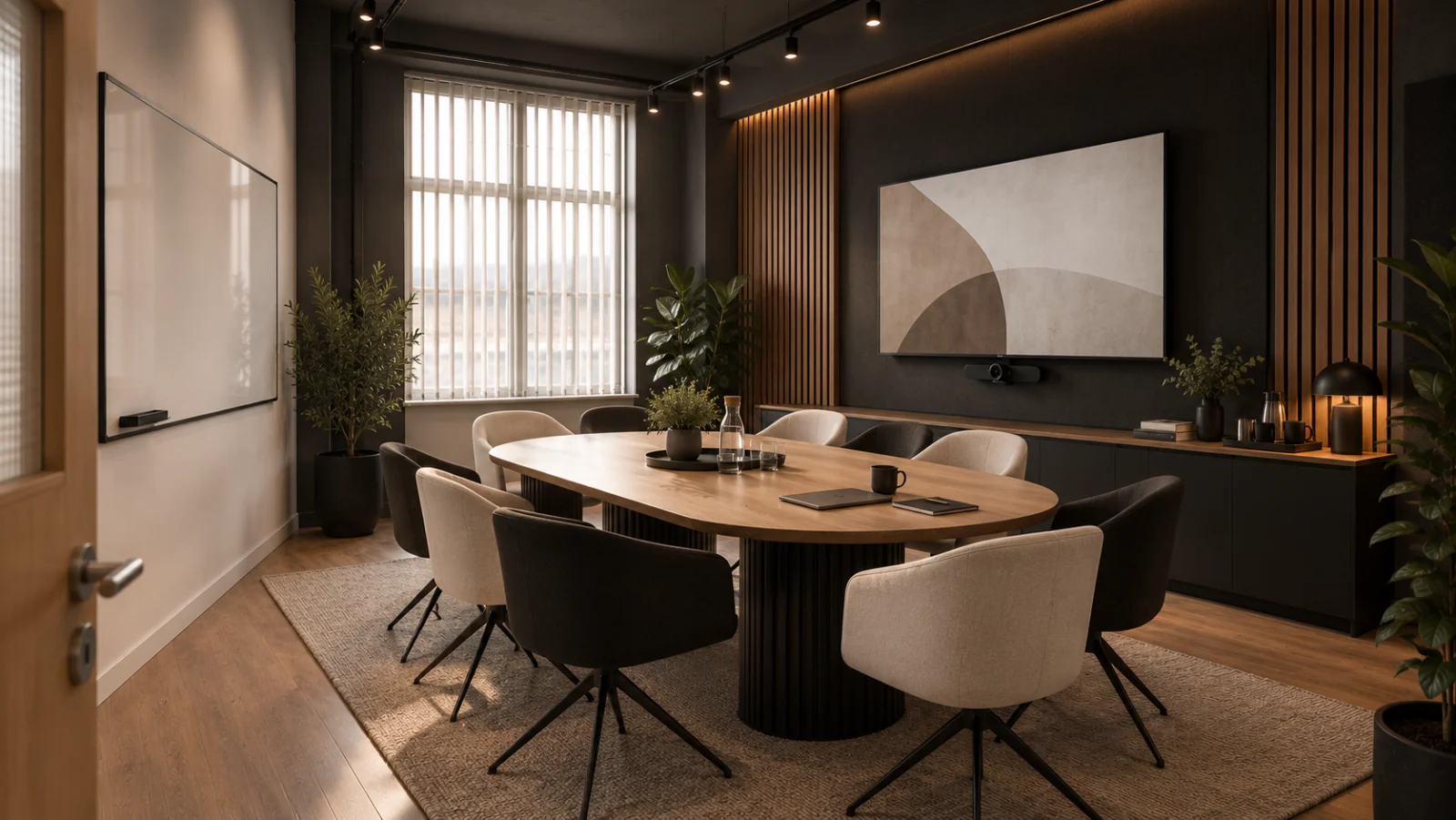
A creative workshop succeeds when participants have room to think, make and leave with something useful. The venue matters, but the strongest planning starts with the outcome and works backwards through activities, materials, layout and timing. This checklist is for Leicester organisers designing a small workshop, community session or practical team day. It uses confirmed facts about The Space at Patmos without promising equipment, capacity or access details that should be checked for each event.
Define the result participants will take away
Write one outcome in practical language. Participants might leave with a draft brief, a prototype, a decision, a new skill they have practised or a set of next steps. If the outcome is only 'inspiration', decide what observable activity will help create it. The answer determines how much teaching, discussion and hands-on time the workshop needs.
Describe the intended audience and what they already know. A first-time group may need more explanation and fewer activities. An experienced team may benefit from a short prompt followed by substantial making time. Do not overload the agenda to prove value; leave room for participants to work through the central task.
Choose activities before arranging the room
List the actions people will take: listen, write, build, review, present or move between groups. Then sketch a layout that supports those actions. A demonstration needs a clear focal point; small-group making needs workable surfaces and a way to share results. If the session changes mode, decide whether the room can adapt with a small adjustment or whether a planned reset is required.
The Space at Patmos is a flexible studio floor used for workshops, launches and small gatherings. Flexibility is useful, but it does not remove the need for a layout plan. Confirm the exact furniture, equipment and access requirements for your event before advertising them to participants. Keep the routes between activities simple and allow organisers time to set up and restore the room.
Count the complete event window
Work backwards from the attendee-facing programme. Add organiser arrival, setup, welcome, instructions, breaks, transitions, final sharing and wrap. A two-hour workshop may need a substantially longer room booking once those stages are counted. The Space has a four-hour minimum and is listed from £300, which can support a complete small event window when the programme is planned realistically.
Assign one person to watch the clock and one to support materials and participants if the facilitator is busy teaching. Protect the core making activity from an overlong introduction. If a discussion is valuable but would displace the main outcome, capture it for follow-up rather than allowing the whole agenda to drift.
Send useful joining information
Tell participants what the workshop is for, when they should arrive, what they need to bring and whether any preparation is required. Share confirmed location and access details from the organiser rather than a guessed travel estimate. Ask about specific access needs early enough to check what can be supported. A clear joining note reduces repetitive questions and helps people arrive ready to take part.
For an East Midlands audience, do not assume everyone travels from the same direction or by the same method. Give one reliable contact route for late changes. If the workshop involves personal projects, tell participants whether they should bring an example, device or draft material. Never ask people to bring sensitive information unless it is genuinely needed and the handling has been planned.
- Purpose and expected take-away
- Confirmed time and arrival instructions
- What to bring or prepare
- Contact route and access-question process
Close with action, not just applause
Reserve the final part of the workshop for participants to name what they made, learned or will do next. A short reflection can reveal whether the stated outcome happened and what needs follow-up. If the session produces shared decisions, record the owner and date for each action before people leave. That makes the event useful after the room is empty.
At wrap, account for materials, agreed photographs or records, and any promised follow-up. A careful close respects both participant time and the venue booking. Review the creative-space page for confirmed Patmos details, and contact the studio with the programme and practical requirements before committing to a layout or public promise.
Useful answers
Questions about planning your booking
How long should I book a room for a creative workshop?
Include organiser setup, participant welcome, activities, breaks, sharing and wrap, not just the teaching time. The Space at Patmos has a four-hour minimum.
What should a workshop invitation include?
State the purpose, expected outcome, confirmed arrival details, what to bring, any preparation and a contact route for questions or access needs.
Can the podcast studio operate during a workshop in The Space?
Studio B is a separate room and remains independently bookable when The Space is reserved. The Space uses the main floor and therefore blocks Studio A.